1
Choose a
diamond
2
Choose a
setting
3
Complete
ring
Natural
Lab-Grown
Shape
Cut
Color
Carat


Clarity
Price
Advanced Options
Clear Filters
Fluorescent Diamonds
[3,619 of 164,057]Fluorescent diamonds emit a soft glow, typically blue, when exposed to ultraviolet light. This natural characteristic appears in approximately 25-35% of diamonds and can affect appearance and value. Available in all shapes and color grades, fluorescent diamonds offer opportunities for smart value when fluorescence enhances rather than detracts from beauty.
On Sale
Shipping Date By
Any Date
Sort By
Best Match
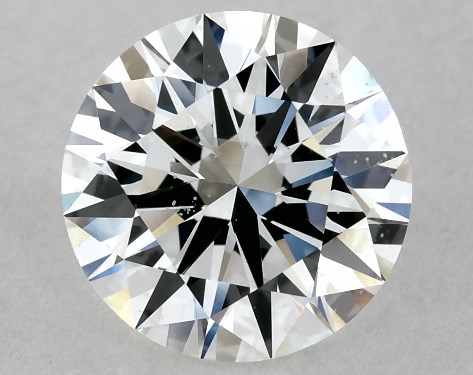
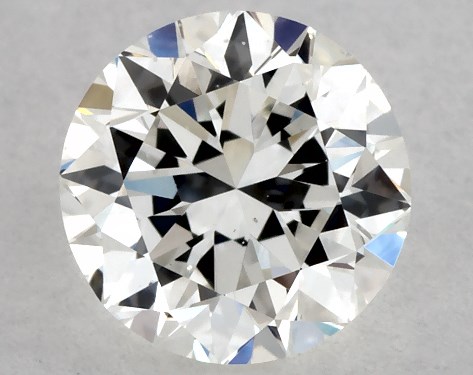
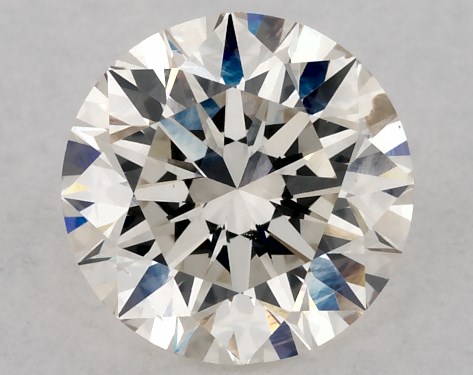
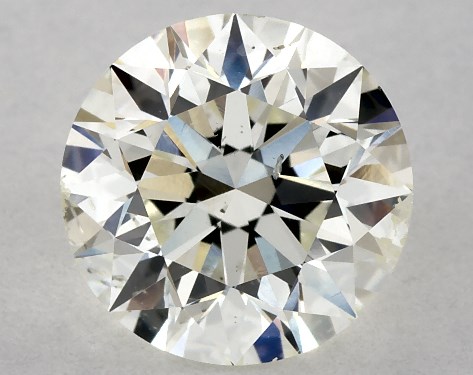
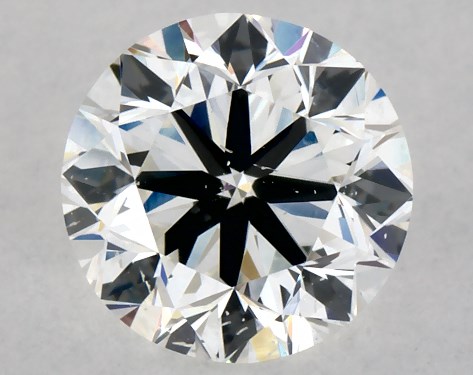
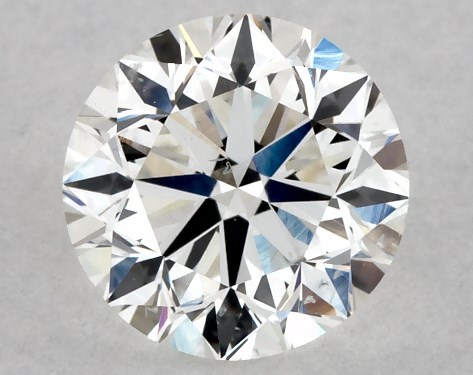
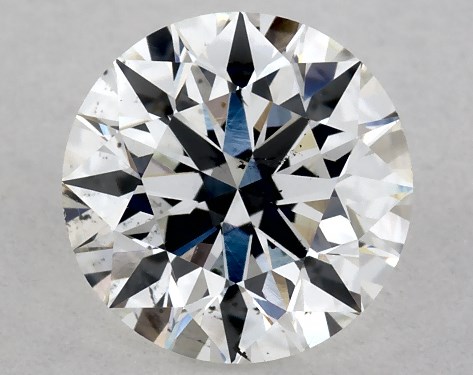
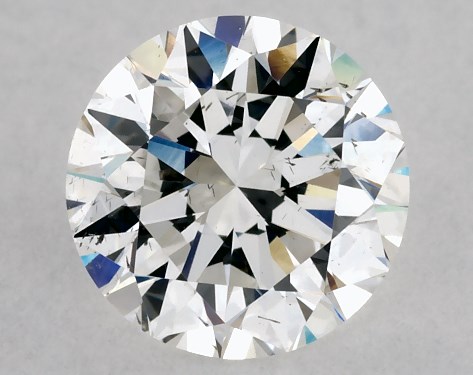
Fluorescent Diamonds With Natural UV Response
Style Tip: Consider fluorescent diamonds in H-J color grades where blue fluorescence can improve appearance, but inspect carefully in D-F grades where strong fluorescence may create haziness in rare cases.
Frequently Asked Questions
What are fluorescent diamonds?
Fluorescent diamonds emit visible light, usually blue, when exposed to ultraviolet radiation. This natural characteristic appears in many diamonds and is graded from None to Very Strong on GIA certificates, helping buyers understand how UV light affects the stone.
Does diamond fluorescence affect value?
Yes. Diamond fluorescence typically reduces price, especially in higher color grades like D-F where strong fluorescence may cause haziness. However, in lower grades like I-J, fluorescence can actually improve appearance by counteracting yellow tones without visible drawbacks.
Is fluorescence bad in diamonds?
Not necessarily. Fluorescence is only negative when it creates haziness or oily appearance, which occurs in a small percentage of strongly fluorescent stones. In many cases, especially in near colorless diamonds, fluorescence either has no visible effect or actually improves appearance.
Can you see fluorescence in normal light?
No. Diamond fluorescence only appears under UV light sources like blacklights or strong sunlight. In typical indoor lighting and most outdoor conditions, fluorescent diamonds look identical to non-fluorescent stones of the same quality grade.
Should I avoid strong fluorescence?
Not always. Avoid strong fluorescence in colorless (D-F) diamonds unless you've inspected the stone and confirmed no haziness. In H-J grades, medium to strong fluorescence often enhances appearance by masking warmth, making these stones excellent values.
Do fluorescent diamonds look different in sunlight?
Most fluorescent diamonds appear normal in sunlight, though very strong fluorescence may create a slightly milky appearance in bright UV-rich sunlight. This effect varies by stone and is why individual inspection through high-quality imaging matters when considering fluorescent diamonds.
Are fluorescent diamonds less brilliant?
No. Fluorescence doesn't affect brilliance or sparkle in most diamonds. Only in rare cases with very strong fluorescence does haziness reduce transparency. Well-cut fluorescent diamonds with proper clarity and cut grades display the same fire and brilliance as non-fluorescent stones.